
Is It Business Casual? Cowboy Boots, Linen, Jumpsuits, and More

Cowboy boots count as business casual when they are polished, paired with tailored trousers or dark jeans, and worn with a collared shirt or blazer in neutral colors. The same rule of careful styling applies to linen shirts, short sleeve button-ups, and jumpsuits: each can fit a business casual dress code, but only when the cut, color, and fit signal effort rather than a day off. Workplace culture still sets the final boundary, since a marketing agency in Austin and a law firm in Boston read the same boots very differently.
What Counts as Business Casual Beyond These Four Pieces
Business casual blends traditional business wear with a more relaxed style that still works in an office, according to Indeed’s career guide. Acceptable bottoms include slacks, khakis, chinos, knee-length skirts, and dark jeans without holes, while acceptable tops include button-down shirts, sweaters, blouses, henleys, and polo shirts. Footwear stays closed-toed: loafers, oxfords, boots, pumps, and flats all qualify, which is part of why a well-chosen boot can cross into business casual once the rest of the outfit supports it.
None of the four pieces in this guide show up on that standard list by name, and that gap is exactly why each one raises a question on its own. Cowboy boots, linen shirts, short sleeve shirts, and jumpsuits sit close enough to the line that the details decide the outcome rather than the garment itself.
Are Cowboy Boots Business Casual
Tecovas, the western boot brand, ties cowboy boots to business casual only when they are paired with the right pieces, not worn on their own terms. Swap in tailored dress pants, straight-leg jeans in a dark neutral wash, a collared shirt, and a blazer or sweater in a classic tone, and the boots stop reading as weekend wear. That single styling shift decides whether the boots pass a business casual dress code or not.
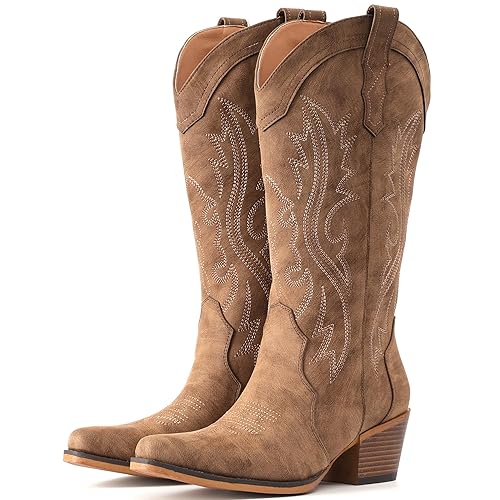
Cowboy boots are pull on boots with a raised shaft, angled heel, and toe shapes that range from pointed to square. They are worn for western outfits, work, riding, and everyday styling. Compare leather or synthetic materials, shaft height, heel height, toe room, outsole grip, and calf fit.
As an Amazon Associate we earn from qualifying purchases.
Boot Features That Read as Business Casual
Certain boot details separate office-ready pairs from weekend ones. Leather soles beat rubber for a polished look, and a heel around 1.5 inches keeps the proportion dressy rather than rugged. Quality leathers such as calfskin, bovine, goat, or an exotic material like ostrich, alligator, or lizard add to the effect, especially when the embroidery stays minimal and the design understated.
Boot Features and Pairings to Avoid
A few choices undo the effort immediately. Spurs, worn-down or dusty leather, bright colors, heavy embroidery, calf-length shafts, and rubber soles all push boots toward costume territory rather than office wear. Skinny jeans, plain t-shirts, shorts, and light-colored pants work against the boots as well, since the contrast reads as casual rather than considered.
Business-Casual Cowboy Boot Shortlist
For a named business-casual cowboy-boot shortlist, Tecovas identifies The Cartwright, The Doc, and The Earl. Their profiles differ in toe shape, sole, heel, shaft, and leather details.
| Boot | Profile | Stated construction |
|---|---|---|
| The Cartwright | Round toe | 1½-inch stacked leather heel with a rubber heel cap and a 12-inch shaft |
| The Doc | Broad square toe | 12-inch shaft, ¾ double-stitched Goodyear welt, and leather sole |
| The Earl | Roper with a simple design | Shorter heel and hand-burnished calfskin, bovine, or goat leather |
The Cartwright supplies the stated 1½-inch heel height that Tecovas recommends for a professional appearance. Beyond that, the Doc pairs a broad square toe with a leather sole, two features Tecovas identifies for semi-professional cowboy boots.
Tailored dress pants or straight-leg jeans designed for boots provide the recommended business-casual pairing. Tecovas points to black denim or neutral colors for those jeans, keeping the outfit aligned with its cowboy business-casual styling advice.
Indeed lists closed-toed boots among appropriate business-casual footwear, while its broader guidance emphasizes employer-specific interpretation. That makes the three-boot shortlist a styling starting point rather than a workplace policy.
Are Linen Shirts Business Casual
Linen shirts call for the same workplace check as any other business-casual item. Workplace, industry and company culture shape what fits that standard.

Linen shirts are lightweight woven tops made from flax fibers, often worn in warm weather or as part of relaxed business casual outfits. Compare sleeve length, collar style, fit, linen blends versus pure linen, button details, and care instructions when choosing.
As an Amazon Associate we earn from qualifying purchases.
Styling Linen for Men
For men, established business-casual examples include slacks, business dress pants, khakis, chinos and dark jeans without holes. Button-down shirts, sweaters, henleys and polo shirts are among the listed top options, while blazers or sport coats can add another layer in colder months.
Short sleeves can depend on office culture. A short-sleeve button-up may be acceptable where a short-sleeve polo is accepted, but some workplaces prefer long sleeves. If khakis and a blazer are the casual-Friday norm, reserve short sleeves for the weekend.
Styling Linen for Women
Business-casual options include slacks with a nice blouse, a skirt with a nice top, or a dress with a blazer. Knee-length or maxi dresses, along with cardigans, blazers and sport coats, can also fit the dress code.
Breathable linen appears as an office-fabric option for jumpsuits, alongside tailored cotton, ponte knit and structured crepe. For any uncertain dress-code choice, dress more conservatively and ask human resources or the employer for guidance.
Is Short Sleeve Business Casual
Short sleeve button-up shirts count as business casual in most day-to-day offices, as long as the workplace already accepts polo shirts. Buffalo Jackson, a menswear brand that covers this exact question, frames the short sleeve shirt as a substitute for a polo, not a stand-in for a long sleeve dress shirt.
Fit and Color Rules
Fit decides whether short sleeves look professional or sloppy. The shirt should sit close to the body, the sleeve should stop just short of the elbow, and the hem needs to be long enough to tuck into trousers. Savile Row Company recommends whites, blues, and pinks in subtle patterns for short sleeves, and advises against casual checks or stripes on days that call for a sharper look.
When to Skip Short Sleeves
Some settings call for long sleeves instead. A rigid, formal dress code that expects suits leaves no room for short sleeves, and pairing them with a tie or a suit jacket throws off the proportions of the outfit. W.H. Taylor Shirtmakers notes that senior staff or anyone meeting with high-level executives should confirm their company’s expectations before reaching for a short sleeve shirt.
Is a Jumpsuit Business Casual
A jumpsuit works as business casual when the cut is tailored, the color is neutral, and the hemline sits at the knee or longer, ideally layered with a blazer or cardigan. Essential Style Boutique, which covers jumpsuits for office wear, treats fit and fabric as the deciding factors rather than the garment itself.
Jumpsuit Fabrics and Cuts That Work
Ponte knit and structured crepe hold their shape through a workday and read as intentional rather than loungewear. A knee-length or longer hem keeps the silhouette professional, and a blazer, cardigan, or minimal jewelry adds the formality that a one-piece garment can lack on its own.
Jumpsuit Styles to Avoid
Form-fitting or revealing cuts, bright colors, ruffles, sequins, neon patterns, and denim jumpsuits all fall outside business casual. Position and industry still matter beyond the garment itself, since a creative studio and a law firm will not judge the same jumpsuit the same way. When the dress code is unclear, leaning toward more formal styling is the safer call.
How the Four Items Compare Side by Side
Cowboy boots, linen shirts, short sleeves, and jumpsuits all clear the business casual bar under different conditions, and the table below lines up what each one needs.
| Item | Business Casual? | Key Requirements | Best Context |
|---|---|---|---|
| Cowboy boots | Yes, if styled well | Polished leather, low heel, neutral colors, paired with tailored pants or a blazer | Industries and regions that already welcome Western wear |
| Linen shirts | Yes, with care | Long sleeves preferred, neutral colors, structured and pressed, tailored pairing | Creative industries, tech companies, smart-casual offices |
| Short sleeves | Yes, in most offices | Close fit, tucked in, professional colors, no tie or jacket over the top | Day-to-day office work, not senior or executive meetings |
| Jumpsuits | Yes, if tailored | Neutral colors, knee-length or longer, tailored cut, layered with a blazer | Professional settings that already welcome one-piece outfits |
How Industry and Workplace Culture Change the Rules
Industry sets the ceiling for how far business casual can stretch before it needs a policy check. Indeed’s guide to business casual attire notes that creative fields such as advertising tend to welcome more color and pattern, while finance leans toward conservative suits even inside a business casual policy.
Region and company culture shift the boots specifically. Tecovas frames Western wear as more at home in industries and regions where it already carries weight, generally the South and West, so the same pair of boots can read as fashionable in Nashville and out of place in a downtown Boston law firm.
Short sleeve shirts face a similar filter: W.H. Taylor Shirtmakers points out that day-to-day office work usually welcomes them, but a senior role or a meeting with top executives calls for checking the dress code first, not assuming a short sleeve shirt will pass.
Jumpsuits carry the same warning from Essential Style Boutique, which ties their acceptance to workplace culture, industry, and the wearer’s position level rather than a fixed rule.
Common Mistakes That Break the Business Casual Look
Most business casual mistakes come from one item working against the rest of the outfit rather than the item itself being wrong.
- Pairing cowboy boots with skinny jeans, plain t-shirts, shorts, or light-colored pants instead of tailored pieces.
- Wearing rubber-soled or dusty boots instead of polished leather with a low heel.
- Leaving linen unstructured and wrinkled instead of tailored and pressed.
- Wearing a suit jacket over a short sleeve shirt or pairing short sleeves with a tie.
- Choosing a bright, form-fitting, or denim jumpsuit instead of a tailored, neutral one.
What to Do When the Dress Code Is Not Clear
Ask whether business casual or business professional attire applies before guessing, since a wrong first impression is harder to undo than a five-minute question would have been. A few concrete steps keep the guesswork to a minimum.
- Check the handbook first. Most companies publish a written dress code, even a short one, and it usually names off-limits items directly.
- Watch what leadership wears. Senior staff often set the real ceiling for an office more accurately than any written policy does.
- Ask a manager or HR directly. A quick question about cowboy boots, linen, short sleeves, or a jumpsuit beats a wrong guess on day one.
- Start conservative. Polished boots, tailored trousers, closed-toe shoes, and neutral colors stay safe until the office’s real norms are clear.
- Adjust after a week or two. Loosen the styling only once the unwritten rules of the workplace are obvious.
When the dress code is not clear, I prefer asking the person who can answer it over building a theory from hallway clues. In the Dayton suburbs from 2009 to 2013, I handled office and maintenance coordination at apartment properties, explaining lease fees, deposits, and move-out deductions for about 40 move-outs a year; a direct question saved more trouble than my private committee meeting, and it does the same for cowboy boots.
Frequently Asked Questions
Is It Okay to Wear Cowboy Boots with a Suit?
Yes, as long as the boots stay polished and understated. A tailored suit already supplies the structure that boots need, so a narrow or square toe, a leather sole, and a quiet color keep the pairing office-appropriate. Spurs, bright leather, or heavy embroidery undo the effect even under a sharp suit.
Should a Jumpsuit Ever Be Denim for the Office?
No, denim jumpsuits fall outside business casual regardless of fit or color. Essential Style Boutique lists denim specifically among the fabrics and cuts to avoid, alongside ruffles, sequins, and neon patterns. Ponte knit or structured crepe are safer fabric choices for an office jumpsuit.
Do Linen Clothes Wrinkle Too Much for Business Casual?
Linen wrinkles easily, but that alone does not rule it out. Not Perfect Linen recommends tailored or structured pieces, neutral colors, and a pressed finish to keep wrinkles from reading as sloppy. A heavily creased shirt or pair of pants, on the other hand, undercuts the professional look linen can otherwise achieve.
Is a Polo Shirt a Safe Swap for a Short Sleeve Button-Up?
In most offices, yes, the two sit at roughly the same formality level. Buffalo Jackson frames the short sleeve button-up as an alternative to a polo rather than a downgrade from a long sleeve dress shirt, so an office that already allows polos will usually allow a well-fitted short sleeve shirt too. Fit still matters more than the swap itself.
What Boot Heel Height Reads as Professional?
A heel of about 1.5 inches keeps cowboy boots looking dressy rather than rugged. Tecovas lists that height alongside leather soles and quality materials as the details that separate office-ready boots from weekend pairs. Taller or chunkier heels tend to push the boots toward a more casual, Western look.
Can a Knee-Length Skirt Replace Trousers in a Business Casual Outfit?
Yes, knee-length skirts are a standard business casual bottom according to Indeed’s guide, right alongside slacks, chinos, and dark jeans without holes. Pairing one with a blazer, a tailored blouse, or a structured linen shirt keeps the outfit consistent with the guidance in this article. A skirt that sits well above the knee moves the outfit away from business casual and toward strictly casual wear.
Across cowboy boots, linen shirts, short sleeve shirts, and jumpsuits, business casual comes down to the same short checklist: neutral colors, a tailored fit, polished details, and pairing pieces that support each other. Company policy and industry still set the outer limits, so a quick look at an employee handbook or a raised eyebrow from a manager is worth more than any general guideline.
References
- What Is Business Casual Attire? (With Examples and Tips), Indeed
- Are Cowboy Boots Business Casual?, Tecovas
- Are Jumpsuits Considered Business Casual?, Essential Style Boutique
- Are Short Sleeve Button Up Shirts Business Casual?, Buffalo Jackson
- How to Make Short Sleeves Work for Business, Savile Row Company
- Is it Acceptable to Wear a Short-Sleeve Shirt for Business?, W.H. Taylor Shirtmakers
- Is Linen Business Casual?, Not Perfect Linen
Sources read in September 2026.