
What Foods Should You Buy Organic? A Practical Shopping List

Knowing which foods you should buy organic starts with targeting the ones that test highest for pesticide residue and skipping organic spending where the difference barely registers. The Environmental Working Group’s 2026 testing found residues on 96 percent of the produce on its Dirty Dozen list, led by strawberries, spinach, kale, grapes, and peaches, while nearly 60 percent of Clean Fifteen items such as avocados, sweet corn, and onions carried no detectable residue at all. Thin, porous skin is usually the deciding factor, since it absorbs chemicals that washing cannot remove. Daily staples like oats, wheat, and beans matter too, because of glyphosate residue left from pre-harvest spraying. Prioritizing the items you eat most often protects both your health and your grocery budget better than buying every organic label on the shelf.
What Foods Should You Buy Organic First on the Dirty Dozen List
The Dirty Dozen list names the 12 fruits and vegetables with the highest pesticide contamination, and these are the items worth buying organic first. Strawberries rank as the most contaminated item on the 2026 list, followed by spinach in second place. Kale, collard greens, and mustard greens round out the leafy greens with heavy residue, and grapes and peaches follow close behind because their thin skin offers no barrier against spray. Nectarines, apples, pears, cherries, blueberries, and potatoes complete the 12, and bell peppers and celery show up in several guides as additional produce that gets sprayed often and absorbs chemicals through a porous surface. For online comparison, Amazon carries organic produce for the items on this priority list.
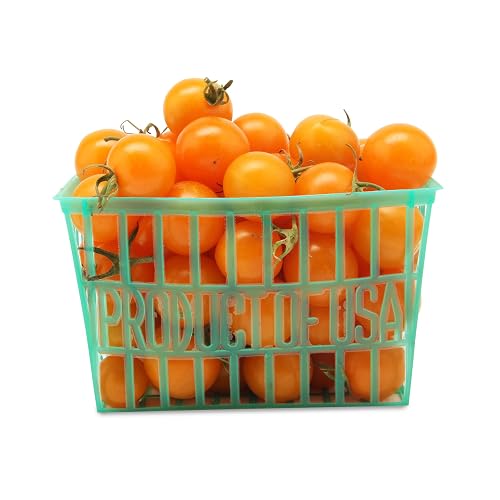
Organic produce includes fruits, vegetables, herbs, and salad greens grown under certified organic standards. These items are used for snacks, cooking, baking, and fresh meals. Compare fresh versus frozen options, seasonal varieties, package sizes, and whether items are whole, prewashed, or prepared.
As an Amazon Associate we earn from qualifying purchases.
That testing also identified a broad range of pesticides. Beyond that, that analysis covered 54,344 samples spanning 47 fruits and vegetables, the largest dataset the Environmental Working Group has compiled to date. PFAS chemicals, often called forever chemicals and linked to cancer, thyroid disease, and immune suppression, turned up in 63 percent of Dirty Dozen samples. Fludioxonil, a PFAS fungicide, was the single most frequently detected pesticide across every fruit and vegetable tested, not just the Dirty Dozen.
Which Foods Are Safe to Buy Conventional?
Clean Fifteen produce is safe to buy conventional because these 15 items show little to no pesticide residue even without an organic label. Avocados top the list thanks to a thick, protective peel that blocks pesticide absorption almost entirely. Sweet corn, pineapples, onions, papayas, frozen sweet peas, asparagus, cabbage, cauliflower, watermelon, mangoes, bananas, carrots, mushrooms, and kiwi round out the full list.
These results reinforce the list’s low residue profile. Most of these items share a thick skin or peel that a shopper removes before eating, which keeps sprayed chemicals away from the edible flesh. Buying the conventional version of anything on this list frees up grocery budget for the Dirty Dozen items that matter more.
How Do the Dirty Dozen and Clean Fifteen Compare?
Side by side, Dirty Dozen produce tests contaminated on nearly every sample while Clean Fifteen produce tests clean on most of them, and the table below lines up the top items from each list along with the reason for the gap.
| Factor | Dirty Dozen (Buy Organic) | Clean Fifteen (Buy Conventional) |
|---|---|---|
| Top item | Strawberries | Avocados |
| Second item | Spinach | Sweet corn |
| Third item | Kale and other greens | Pineapples |
| Fourth item | Grapes | Onions |
| Fifth item | Peaches | Papayas |
| Samples with residue | 96% | Under 40% (nearly 60% had none) |
| Samples with PFAS | 63% | Minimal |
| Skin type | Thin, porous, or none | Thick, or peeled before eating |
| Organic priority | High | Low |
The pattern holds across nearly every row. Thicker, removable skin correlates with lower contamination, and thinner or absent skin correlates with higher contamination, regardless of whether the crop is a fruit or a vegetable.
What Health Risks Does Pesticide Exposure Carry?
Pesticide exposure carries dose-related health risks that range from respiratory irritation to a higher likelihood of certain cancers, according to research cited by federal regulators. The exact risk to any one shopper depends heavily on how much conventional produce they eat and over how many years.
The Environmental Protection Agency has tied agricultural pesticide exposure to asthma, bronchitis, non-Hodgkin lymphoma, Parkinson’s disease, and prostate and lung cancers. Consumer Reports separately found that pesticides posed significant health risks in roughly 20 percent of the fruits and vegetables it tested.
People who eat the most organic food tend to show the fewest cases of non-Hodgkin lymphoma in population studies, though that pattern does not prove organic food alone caused the difference. Pregnant people may have particular reason to pay attention, since some research links pesticide contact to pregnancy complications and problems with fetal development.
Anyone pregnant, managing a chronic illness, or making major diet changes for medical reasons should talk to a doctor before deciding how much to prioritize organic food, since individual risk factors vary widely.
Why Do Some Fruits and Vegetables Absorb More Pesticides?
Produce with thin or no protective peel absorbs pesticides directly into its flesh, and washing cannot remove what has already penetrated the skin. Leafy greens face the same problem because their large surface area gives spray more room to settle and soak in.
High pest pressure adds another layer to the problem. Certain crops draw repeated pest attacks, which pushes farmers toward multiple chemical applications across a single growing season. Systemic pesticides make the situation worse still, since plants absorb them into their tissue and no amount of rinsing after harvest pulls them back out. Bell peppers and celery fall into this category too, since their porous structure and frequent spraying schedule combine to leave measurable residue behind.
What Does USDA Organic Certification Actually Guarantee?
USDA Certified Organic status guarantees that a farm followed strict rules on pesticide use, banned certain substances outright, and passed an independent inspection, though it does not guarantee zero pesticide residue.
The standard restricts pesticide use to naturally derived options and a short list of synthetic ingredients considered low in toxicity, such as boric acid. Farms cannot use genetically modified organisms, irradiation, or sewage sludge in organic production, or sell products from animals treated with antibiotics as organic. Only products labeled "100% Organic" or at least "95% Organic" may carry the USDA Organic seal, and lower percentages cannot use it at all.
Organic farmers treat pesticides as a last resort rather than a routine tool. Crop rotation, beneficial insects, cover cropping, and mechanical cultivation come first, and spraying only enters the picture once those methods fall short. Every USDA Certified Organic producer must earn certification through a USDA-accredited certifying agent, and that agent conducts annual inspections plus unannounced visits to confirm the farm is still following the rules.
None of this adds up to a promise of zero pesticide residue, since some naturally derived pesticides remain permitted under the standard. What it does promise is a documented, audited process behind every organic label on the shelf.
Should You Buy Organic Meat, Dairy, and Eggs?
Meat, dairy, and eggs raised organically are worth buying if you want to avoid synthetic hormones, antibiotics, and feed grown with pesticides, since conventional livestock feed can carry glyphosate and other residues into the final product.

Organic meat, dairy, and eggs include animal based foods produced under organic farming standards. They are used in everyday meals, baking, and cooking. Compare meat cuts and fat content, dairy types and formats, egg sizes and grades, plus refrigeration and packaging needs.
As an Amazon Associate we earn from qualifying purchases.
Conventional livestock often eat grain grown with glyphosate, a herbicide sprayed on corn and soy, and that residue can pass into the meat, milk, and eggs a household eventually buys. Organic standards close that loop by requiring livestock to eat 100 percent organic feed, which restricts pesticide use but does not guarantee residue-free grain.
Some research points to nutritional differences as well. Organic meat and milk have shown roughly 50 percent higher levels of beneficial omega-3 fatty acids compared with conventional versions in certain studies, and organic plant foods have tested higher in 8 of 11 nutrient categories, including polyphenols and antioxidants. Readers managing a specific health condition or diet plan should still check with a doctor before making major changes based on nutrient comparisons like these.
USDA organic certification says nothing about halal status, so anyone who keeps halal should look for a separate halal certification on meat and poultry rather than assuming the organic seal covers it.
Should You Buy Organic Grains and Pantry Staples?
Organic grains and staples are worth prioritizing if you eat them daily, because glyphosate sprayed on conventional wheat, oats, and beans as a pre-harvest desiccant leaves measurable residue behind.
Farmers spray glyphosate on these crops shortly before harvest to dry them out evenly, a practice that leaves more residue than spraying earlier in the season would. Anyone eating oats or other grains every day gets more benefit from switching those staples to organic than from switching an occasional snack food, simply because daily exposure adds up. Beans follow the same pattern, since many conventional farms use the same pre-harvest treatment on them.
Should You Buy Organic Packaged and Processed Foods?
Packaged and processed foods follow the same USDA labeling rules as fresh produce, so the "100% Organic" or "at least 95% Organic" threshold decides whether a box, jar, or bag can carry the USDA Organic seal, regardless of whether it holds fresh spinach or a frozen dinner.
The same prohibited-substance rules carry over as well. A packaged organic product cannot include ingredients grown with genetically modified organisms, irradiation, or sewage sludge, and its supply chain cannot rely on antibiotics at any stage.
Independent pesticide testing data on packaged and frozen foods is far more limited than the produce testing behind the Dirty Dozen and Clean Fifteen lists, so shoppers who eat mostly packaged staples get more value from checking a product’s organic certification and ingredient panel than from searching for produce-specific residue numbers that simply do not exist for boxed foods.
How Do You Build a Budget-Friendly Organic Shopping List?
A budget-friendly organic shopping list starts with your own plate, not a complete swap of everything in the cart. Match organic spending to the produce your household eats most often and use the Dirty Dozen to focus a limited budget on higher pesticide-residue concerns.
Here is a worked example using a common weekly grocery list for a household of four.
- List your weekly staples. Write down the five or six fruits, vegetables, and grains your household eats most often. A typical list might include spinach, strawberries, potatoes, oats, and apples.
- Check each item against the Dirty Dozen. In this example, spinach, strawberries, and apples land on the Dirty Dozen, so those become the first organic purchases. Potatoes are not on the 2026 list.
- Leave Clean Fifteen items conventional. Staples such as onions, bananas, or carrots that show up in a typical week can stay conventional as lower-residue choices.
- Keep pantry choices flexible. Organic oats and beans are optional pantry purchases suggested by a brand source, while the strongest shopping guidance here remains focused on fresh produce.
- Use frozen organic produce. Frozen organic spinach or strawberries can be a potentially lower-cost way to prioritize organic versions of high-residue produce.
This five-item example does not require an all-or-nothing switch. Swapping high-priority foods to organic while buying other produce conventionally lets a limited budget focus on the Dirty Dozen.
Do not skip fruits and vegetables to avoid pesticide exposure. The Dirty Dozen is a prioritization tool, not a direction to avoid conventional produce, and USDA and EPA standards set pesticide-residue safety thresholds that foods sold in the United States meet.
This guide does not compare organic prices on this page, so decide what fits your own grocery budget.
Frequently Asked Questions
Do I Need to Wash Organic Produce Too?
Yes, washing organic produce is still recommended, even though organic farming uses far fewer synthetic pesticides. Rinsing removes dirt, bacteria, and any naturally derived pesticide residue that organic standards still permit. A plain water rinse under running water works for most fruits and vegetables.
Does Organic Always Mean Pesticide-Free?
No, organic does not mean pesticide-free. USDA standards allow a limited list of naturally derived pesticides and a small number of low-toxicity synthetic ingredients such as boric acid. Organic certification instead guarantees a documented, inspected process rather than a guarantee of zero residue.
Is It Worth Buying Organic Bananas or Avocados?
Buying organic bananas or avocados makes little difference in pesticide exposure, since both sit on the Clean Fifteen list with thick, protective peels. Nearly 60 percent of Clean Fifteen samples tested clean in 2026. Spending the extra money on Dirty Dozen items instead delivers a bigger benefit.
Can Freezing or Canning Reduce the Need for Organic?
Frozen organic produce carries the same reduced pesticide exposure as fresh organic produce, and it often costs less. Choosing frozen organic spinach or berries over fresh conventional versions is a practical way to prioritize the Dirty Dozen on a tighter budget.
Should Pregnant Women Prioritize Organic Food?
Pregnant women may benefit from leaning toward organic food, since some research links pesticide contact to pregnancy complications and fetal development issues. That said, the health benefits of eating plenty of fruits and vegetables outweigh the risks of pesticide exposure from conventional produce. Anyone pregnant should talk to a doctor about which changes make sense for their situation.
Most households do not need to buy every organic label to lower pesticide exposure in a meaningful way. Focus organic spending on the Dirty Dozen items eaten most often, lean on the Clean Fifteen for conventional savings, and treat daily staples like oats and beans as their own priority category.
References
- 2026 Dirty Dozen and Clean Fifteen Lists, Organic Food Guides
- National Organic Standards, Beyond Pesticides
- Which Produce Should You Buy Organic?, Grow Organic
- Must Buy Organic Foods: A Practical Pantry Priority List, Country Life Natural Foods
- What Foods to Buy Organic: Your 2026 Priority Guide, Nature’s Soul Shop
Sources read in September 2026.