
What Is Body Milk and How Is It Different From Lotion?

What is body milk? It is a leave-on cosmetic moisturizer for the body, made to hydrate and soften skin with a lightweight, fluid feel. Formulas commonly combine water, emollients such as oils, and humectants such as glycerin, helping the product absorb quickly without a heavy or greasy finish.
Body milk is often positioned as lighter and faster-absorbing than body lotion, making it suited to everyday, all-over hydration for normal to slightly dry skin, particularly in warmer months or humid climates. Still, there is no universal rule: brands differ on whether milk or lotion contains more water or oil, feels thicker, or provides more moisture.
What Is Body Milk?
Beyond that, Body milk is a leave-on cosmetic moisturizer made for the skin on the body. Despite its name, it is a body-care product designed to hydrate, nourish, and soften skin rather than a dairy product.
Its texture is generally described as lightweight, fluid, soft, silky, and quick-absorbing. Rather than leaving a heavy or greasy feel, body milk is intended to spread easily over larger areas such as the arms, legs, and torso while providing everyday moisture.
Commonly cited additions include plant oils, natural butters, vitamins, and sometimes hyaluronic acid. Plant-based ingredients and other moisturizing components can vary widely from one formula to another, so body milk is a product category rather than one fixed recipe.
Applied as a leave-on product, body milk should not be rinsed away after use. After bathing or cleansing, it is used so its moisturizing and nourishing ingredients can remain on the skin. Because product directions differ, some formulas may be applied to clean, dry skin, while others can be used after towel-drying when skin is still slightly wet. That variation makes the label directions for the individual product the best guide.
While body milk is often associated with a light feel, that description does not mean every formula provides the same level of moisture. Individual products can differ in texture, ingredient balance, and intended skin needs. For example, one body milk may focus on everyday all-over hydration, while another may include ingredients intended to help enhance skin tone or provide UV protection. Labels can also identify product-specific features, such as coconut, ceramides, or SPF 20 PA++.
Ultimately, body milk is best understood as a fluid body moisturizer that stays on the skin after application. A formula may help skin feel softer, smoother, and hydrated without the richer feel commonly associated with thicker body-care products. Expect the specific experience to depend on the formula, its ingredients, and the directions supplied with it.
How Body Milk Hydrates Skin
Body milk hydrates through a lightweight, leave-on blend commonly built around water, emollients, and humectants. Together, those components are intended to support skin’s hydration level while giving the product a fluid texture and a light feel after it is spread over the body.
These ingredients may appear alongside the water, glycerin, and emollient base rather than replacing it. Individual products may use different combinations and amounts, so no single ingredient list defines every body milk.
Softening is another commonly described result, with the finish meant to make skin feel comfortable and soft to the touch. Rather than delivering the rich, concentrated feel associated with thicker products, body milk is generally positioned as light and quick-absorbing.
Certain formulas may add antioxidants intended to fight free radicals, as well as soothing ingredients intended to calm skin irritation. Those features are not universal body-milk effects: they depend on the particular formula. For example, a serum-infused body milk may be positioned to nourish and hydrate skin and to elevate skin tone, but that positioning applies to that type of product rather than to every body milk.
Results depend on the formula and its intended use, not on the name body milk alone. A product with the ingredients cited for body milk can be designed for everyday, all-over hydration and a light finish, while another may include richer components or targeted extras. Ingredient lists and product directions can therefore help clarify what a particular formula is intended to provide.
Because body milk and body lotion are described differently across products, no consistent rule establishes that body milk is always less moisturizing or more water-based than lotion. Instead, a formula’s cited ingredients and stated use positioning offer the clearest indication of its expected hydration, softening, and finish.
Consider the claimed finish alongside the listed ingredients: a lightweight, quick-absorbing result is the usual positioning, but individual products can differ. Labels may also identify optional ingredients, such as antioxidants or soothing components, that shape the intended experience after application. Claims can vary by product and its stated purpose.
How to Apply Body Milk
After a shower or bath, apply body milk to clean skin and massage it delicately until fully absorbed.
Start After Bathing
Begin by towel-drying after bathing. Towel-dried skin may still be slightly wet, as some body milk guidance permits application at that point, while other directions call for clean, dry skin. Read the label for the particular formula and follow its instructions rather than treating either approach as a universal rule.
- First, shower or bathe, then gently towel-dry your skin.
- Next, apply body milk across the areas of the body you want to moisturize.
- Then, massage the product delicately into skin.
- Finally, continue massaging until the body milk is completely absorbed.
Avoid Applying Too Much
For a comfortable finish, use body milk in a way that allows it to absorb rather than remain on the surface. Pay attention to how your skin feels after massaging it in. Excess product may prevent absorption, leave skin sticky or oily, and stain clothes.
If too much body milk has been applied, remove the excess with a paper towel. Should skin still feel coated after application, allow the product to absorb before getting dressed. Because formulas and directions differ, the product label remains the best guide for its intended use and application routine.
Body Milk vs. Lotion, Cream, Balm, and Butter
Lotion, cream, balm, and butter can all moisturize the body, but they differ in texture, concentration, absorption, and the skin needs they are commonly intended to address.
Herbacin presents the reverse distinction, describing lotion as lighter and more water-based while characterizing body milk as thicker, more oil-rich, and more moisture-intensive. Individual products can be positioned quite differently depending on their ingredients and intended use.
| Product Type | Texture and Finish | Common Use Positioning |
|---|---|---|
| Body milk | Usually lightweight, fluid, soft, silky, and quick-absorbing. | Everyday all-over hydration, especially for normal to slightly dry skin and warmer or humid conditions. |
| Body lotion | May be slightly thicker than body milk, though some descriptions call it lighter and more fluid. | Everyday hydration; some formulas are positioned for dry skin and winter dryness. |
| Body cream | Generally thicker than lotion, with a higher concentration of hydrating oils and/or butters. | Deeper nourishment for winter dryness and very dry or mature skin. |
| Body balm | Thicker, creamier, and more concentrated than body milk. | Intensive care for dry, dehydrated, flaky skin and targeted areas. |
| Body butter | Thick and creamy, often made with butters and oils. | Support for very dry skin, roughness, flakiness, and excessive dryness. |
Compared with body cream, body milk is generally presented as more fluid and faster to absorb. Cita Lieta describes body milk as having a similar moisturizing effect to cream but a lighter texture that does not stain clothes. Whish characterizes body cream as richer than lotion because of its higher concentration of oils and/or butters.
Cream therefore tends to be positioned for deeper nourishment, particularly when skin feels very dry or when winter dryness is a concern. Direct comparisons between body milk and cream are more limited than the available comparisons between cream and lotion.
Balm and body butter are richer alternatives when a lightweight finish is not the priority. Waybeauty describes balm as thicker, creamier, and more concentrated than body milk, making it more appropriate for dry, dehydrated, or flaky skin that needs intensive care. Kopari similarly describes body butter as thick and creamy, with butters and oils such as shea, cocoa, and coconut. Butter can take longer to absorb and may leave a protective barrier for lasting hydration, while body milk is positioned as providing hydration without a heavy residue.
For targeted dry areas such as elbows, knees, and feet, a balm or butter may fit the richer-care positioning described for those products. Meanwhile, body milk may appeal to someone seeking easy spreadability, quick absorption, and an everyday all-over moisturizer. Neither balm nor butter is necessarily interchangeable with the other, even though both are presented as more concentrated options than body milk. Choosing between these formats comes down to the formula’s texture, finish, and intended level of care rather than relying on a single category rule.
Who May Prefer Body Milk
Body milk may appeal to people seeking everyday, all-over hydration with a light finish rather than a rich, concentrated feel. It is commonly positioned for normal to slightly dry skin and for people who prefer a product that absorbs quickly. That combination can make it appealing when softness and hydration matter, but a heavy or greasy afterfeel does not.
Warm weather and humid climates are commonly associated with body milk, since its fluid texture is positioned as comfortable for daily use in those conditions. Summer routines may also favor it for the same lightweight, quick-absorbing character. Morning application can fit people who want hydration before getting dressed, while evening use after bathing is also presented as an option. Daily use may therefore suit a preference for regular moisture without a notably heavy finish.
People with dry skin may still choose body milk when they favor a lighter format, although its general positioning is normal to slightly dry skin. Those managing very dry, flaky, or rough areas may instead want intensive care designed for targeted areas such as elbows, knees, and feet. Winter dryness is more often associated with deeper nourishment, while body milk is commonly linked to warmer months. Personal comfort with texture and finish can guide that choice alongside the skin’s apparent dryness.
Preference for a fluid, soft, silky texture is another reason body milk may appeal to a person. Rather than seeking a dense product, they may want a leave-on moisturizer described as lightweight and quick-absorbing. Quick absorption can be especially appealing to someone who dislikes a heavy or greasy feel after application. Likewise, a person looking for a body product for frequent, everyday use may favor this category.
Seasonal changes can influence that preference, because body milk is positioned for warm or humid conditions and regular all-over hydration. Colder periods or winter dryness may lead some people toward deeper nourishment instead. Individual needs still vary by formula and brand positioning, particularly where body milk and lotion are concerned.
Comfort also matters: people who value a non-greasy feel may consider body milk when choosing an everyday moisturizer for the body. Skin needs, season, climate, and the desired finish are all part of that preference. Formula differences mean the category label alone cannot settle the decision.
How to Choose a Body Milk Formula
Choose a body milk by reading the individual formula and matching its intended use to your skin needs, preferred finish, and conditions. Category names alone do not establish a consistent level of water, oil, thickness, or moisturizing intensity. Instead, look for the texture and use positioning the maker gives for that particular product, then consider how those details fit your routine.
Formula components vary. Rather than assuming any one ingredient determines the result, assess the full formula alongside the product’s stated texture and purpose.
Skin needs should guide the choice more than a broad promise attached to the term body milk. Brands variously position these products for all skin types, normal and oily skin, normal to slightly dry skin, or normal and combination skin. That variation makes personal selection more useful than treating the category as a fixed match for one skin type. For dry, very dry, flaky, or rough areas, richer balm or butter options are positioned for more intensive care, while body milk is commonly positioned for everyday all-over hydration.
Climate, season, and the desired finish can further narrow the options. Body milk is positioned for warmer months or humid climates, with a quick-absorbing feel that does not seem heavy or greasy. Evening use may suit people who want a more intensive moisturizing routine, while morning use may suit a lighter, fast-absorbing application before getting dressed. Product directions remain relevant because application guidance and intended timing can differ by formula.
Finally, compare stated benefits and intended use rather than relying on the word “milk” alone.
Those conflicting descriptions reinforce that point. A suitable choice is therefore the formula whose ingredients, texture, finish, and intended use best correspond with your current individual skin needs, the season, climate, and the areas of the body you plan to regularly moisturize on any given day.
What to Know Before You Buy
Before buying body milk, check the individual product’s label and directions rather than relying on the category name alone. Product claims can differ substantially, including claims about nourishment, hydration, skin tone, UV protection, or the type of finish left on skin.
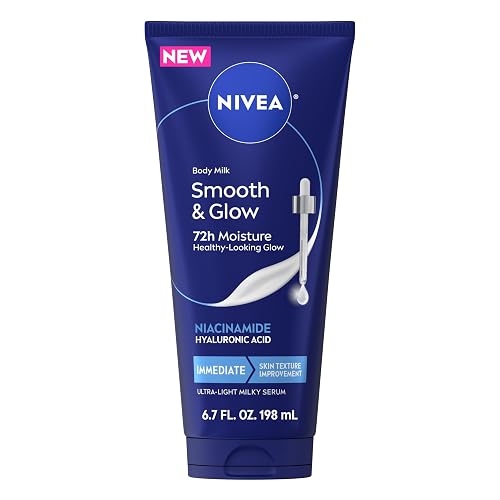
Body milk moisturizers are lightweight body care products designed to hydrate skin after bathing or whenever dryness occurs. Formulas vary by texture, fragrance, skin type, and ingredients such as oils, glycerin, ceramides, or exfoliating acids, with options in bottles, pumps, and tubes.
As an Amazon Associate we earn from qualifying purchases.
For example, 82°E sells a serum-infused Body Milk with coconut and ceramides that is labeled SPF 20 PA++. Its brand says the product helps nourish and hydrate skin, enhance skin tone, and protect from UV rays.
Those are claims for that product, not defining features of every body milk. Some body milks are offered as nourishing, sunscreen, or glitter sunscreen products. Labels help distinguish them.
Category labels do not establish a single standard for water content, oil content, thickness, absorption speed, or moisturizing intensity. One brand describes body milk as lighter and faster-absorbing than lotion, while another describes lotion as lighter and more fluid than milk. Accordingly, broad rules about which category is richer or more moisturizing do not hold across all products.
Instead, compare the details given for the product in front of you, including its stated ingredients, intended use, and application directions. Directions may also vary on when to apply it after bathing. Farmacia SS.
Annunziata recommends dry, clean skin, whereas Cita Lieta allows application after towel-drying to slightly wet skin. Follow the directions provided for the particular body milk instead of assuming one method applies to all formulas. Seasonal guidance can also accompany a brand’s use instructions.
Finally, consider specialty versions as separate products with their own stated purpose and directions. Cold-season guidance from Cita Lieta says to apply a body-care product 30 minutes before going outside. That timing advice does not turn every body milk into the same kind of product.
Careful label reading keeps expectations tied to the formula being purchased, especially when a product carries sunscreen or other added claims. Marketing terms alone cannot settle category-wide comparisons. Product details matter most.
Frequently Asked Questions
Is Body Milk the Same as Body Lotion?
Body milk and body lotion are both leave-on body moisturizers, but they are not always positioned the same way. Put simply, Body milk is commonly described as lightweight, fluid, and quick-absorbing, while lotion may be described as slightly thicker. Formula and brand positioning vary, so body milk is not always thinner or less moisturizing than lotion.
Do You Rinse off Body Milk?
In practice, Body milk is a leave-on cosmetic moisturizer for the body. Apply it to skin and allow it to absorb rather than rinsing it away. Its purpose is to hydrate and soften skin without a heavy or greasy feel.
Can Body Milk Be Used Every Day?
Body milk is positioned for everyday, all-over hydration. One brand recommends using its body milk twice a day, though that guidance applies to its own products rather than every body milk. Follow the directions for the specific formula you choose.
Is Body Milk Better for Dry Skin or Oily Skin?
For context, Body milk may appeal to normal, oily, combination, or slightly dry skin because of its lightweight texture. Some brands also position body milk for dry skin, so there is no single rule for every formula. Choose based on your skin’s needs and the product’s intended use.
Should Body Milk Be Applied to Dry or Damp Skin?
Application guidance differs by product. Some directions recommend applying body milk to dry, clean skin after bathing, while others allow use on towel-dried or slightly wet skin. Check the instructions for your particular body milk rather than assuming it must be used only on fully dry skin.
What Is the Difference Between Body Milk and Body Butter?
Body milk is generally lightweight, fluid, and quick-absorbing, while body butter is thick and creamy. Butter may take longer to absorb and can leave a protective barrier on the skin. Body butter is commonly positioned for intensive care on dry, flaky, rough, or targeted areas such as elbows, knees, and feet.
Meanwhile, Body milk is a lightweight leave-on moisturizer designed to hydrate and soften the skin with a comfortable finish. Its fluid texture can make it a useful choice for everyday, all-over care, especially in warmer months or humid climates. Lotion, cream, balm, and butter can all serve different preferences, but their thickness and moisture intensity depend on the individual formula. Select a product based on your skin’s needs, desired finish, and the directions provided for that formula.
References
- Why You Need to Know the Difference Between Body Milk and Body Lotion – 82°E, 82°E, 82e.com
- Body milk: how to use it? Tips and applications – FSSA1561, farmaciassannunziata1561.it
- Body Milk, Lotion, herbacinusa.com
- How to use body milk | Body care products, citalieta.com
- What is better – body balm or body milk? | Waybeauty.eu, waybeauty.eu
- What is the Real Difference between Body Butter vs. Body Milk? – Kopari Beauty, Kopari Beauty, koparibeauty.com
- Choosing Between Body Cream and Body Lotion for Your Skin, whishbody.com
- Why You Need to Know the Difference Between Body Milk and Body Lotion – 82°E, 82°E, 82e.com
Sources read in September 2026.