
Does Sour Milk Smell Go Away By Itself? How to Get Rid of It

Does sour milk smell go away by itself? It may weaken over time, but it usually persists when residue remains in carpet, upholstery, seat cushions, foam underlay, floor mats, cracks, seams, or refrigerator surfaces. Warm, enclosed spaces can make the odor worse because bacteria continue breaking down milk proteins, sugars, and fats.
Remove the residue rather than masking the smell with air freshener or baking soda alone. Blot fresh spills without rubbing, inspect beyond the visible patch, clean affected surfaces, extract moisture where possible, and dry thoroughly. For deep or older vehicle spills, enzyme cleaner, extraction, steam cleaning, repeated treatment, or professional detailing may be needed.
Does Sour Milk Smell Go Away by Itself?
Usually, sour milk odor may weaken over time, but it generally will not disappear by itself when residue remains in carpet, upholstery, seat cushions, floor mats, seams, cracks, or refrigerator surfaces. Odor can linger for weeks or months after milk works its way below the visible surface.
Proteins, sugars, and fats in the spill can become food for bacteria, which produce the strong-smelling compounds associated with sour milk. Warm temperatures and retained moisture in an enclosed car can speed that process, making the smell worse during hot weather or causing it to return.
Airing out a car, spraying fragrance, or using baking soda alone may lessen or mask the odor, yet those steps do not remove hidden milk residue. Even after a surface looks dry, decomposition can continue in upholstery, carpeting, backing, padding, or beneath a mat.
That is why a sour milk smell in carpet or a sour milk smell in a car can seem to vanish, then reappear as the interior warms. Rather than treating the smell as an air problem, trace it back to the spilled material and the moisture around it.
Small spills can cause long-lasting odor if a few drops from a bottle or cup reach areas beyond the original wet patch. Milk may move under seats, into carpet seams, between cushions, below floor mats, and into carpet padding, where a simple wipe does not reach it.
Because the visible spot can be smaller than the contamination, cleaning only what is easy to see may leave the source behind. Hidden residue is also why repeated attempts can fall short, especially when retained moisture remains in the material or when the area heats up.
For a refrigerator, odor can cling to drawers, shelves, spill areas, nooks, and crevices after the carton is gone. Community posters on Lifehacks Stack Exchange suggest emptying the appliance, cleaning the interior and overlooked surfaces, then using vinegar, antibacterial spray, or another cleaner.
Their reports also describe baking soda or coffee grounds as odor absorbers after cleaning, while citrus peels provide temporary fragrance. Once cleaning has reached the affected areas and they have dried, the odor has less material to feed bacterial activity and less reason to keep returning. Persistent odor therefore usually points to residue or contamination that still needs attention, not merely stale air.
How to Remove Sour Milk Smell from Carpet and Cars
Remove sour milk smell from carpet and cars by finding the full spill area, blotting up liquid, cleaning the affected material, extracting remaining moisture, and drying it completely. Begin promptly, because treatment is easier before milk travels farther into fabric or carpeting.
Before using cleaner, inspect the area. Check areas milk may have reached. Lift removable mats promptly and clean them separately. Check nearby backing, padding, or seams when the spill reached the floor, since a sour milk smell in carpet may come from more than the surface.
Clean the Spill Area Thoroughly
- Absorb as much milk as possible with paper towel, paper towelling, or a microfiber cloth or towel.
- Blot or gently dab instead of rubbing, which can push milk farther into carpet or upholstery and spread it through the fibers.
- Apply a quality upholstery or carpet cleaner according to the product manufacturer’s instructions.
- Work the cleaner gently into the affected material with a soft brush, rather than aggressively scrubbing the area.
- Extract cleaner, milk residue, and moisture with a wet/dry vacuum where one is available.
- Let the cleaned carpet, upholstery, or mat dry completely before returning mats to the vehicle or closing up the interior.
A wet/dry vacuum pulls cleaner, milk residue, and moisture out of car carpeting and upholstery. Use it after applying the cleaner as directed and working it gently into the affected area with a soft brush. Extraction removes moisture that blotting alone may leave behind. Still, let the upholstery and carpet dry completely before closing up the interior, and keep floor mats out until fully dry.
Look for a vacuum designed for liquid pickup with an upholstery attachment that fits the area you need to clean.
As an Amazon Associate I earn from qualifying purchases.
Once the main area has been cleaned, inspect the surrounding surfaces again for overlooked milk. Use the wet/dry vacuum on carpeting and upholstery after cleaner has been applied, because extraction can remove moisture that blotting alone may leave behind. Keep floor mats out until they are fully dry. Rubber mats can be washed thoroughly with soap and water, while carpeted mats may need shampooing or extraction cleaning.
For a fresh spill in a car, pay particular attention to the space beneath seats and along the edges of removable mats. Reinspect cushions, carpet seams, and the area around the original wet spot before assuming the job is finished. Consider repeating the cleaning process if milk is found in another section of carpet or upholstery. Proper drying matters after cleaning, especially for a vehicle interior where retained moisture can remain in fabric, carpet, cushions, or padding.
After blotting, BISSELL Pet Pro Oxy can clean carpet or upholstery where milk has worked beyond the visible spot, helping address the residue that feeds lingering odor. Follow the label directions, then extract as much moisture as possible and allow the material to dry fully before replacing mats or closing the car.
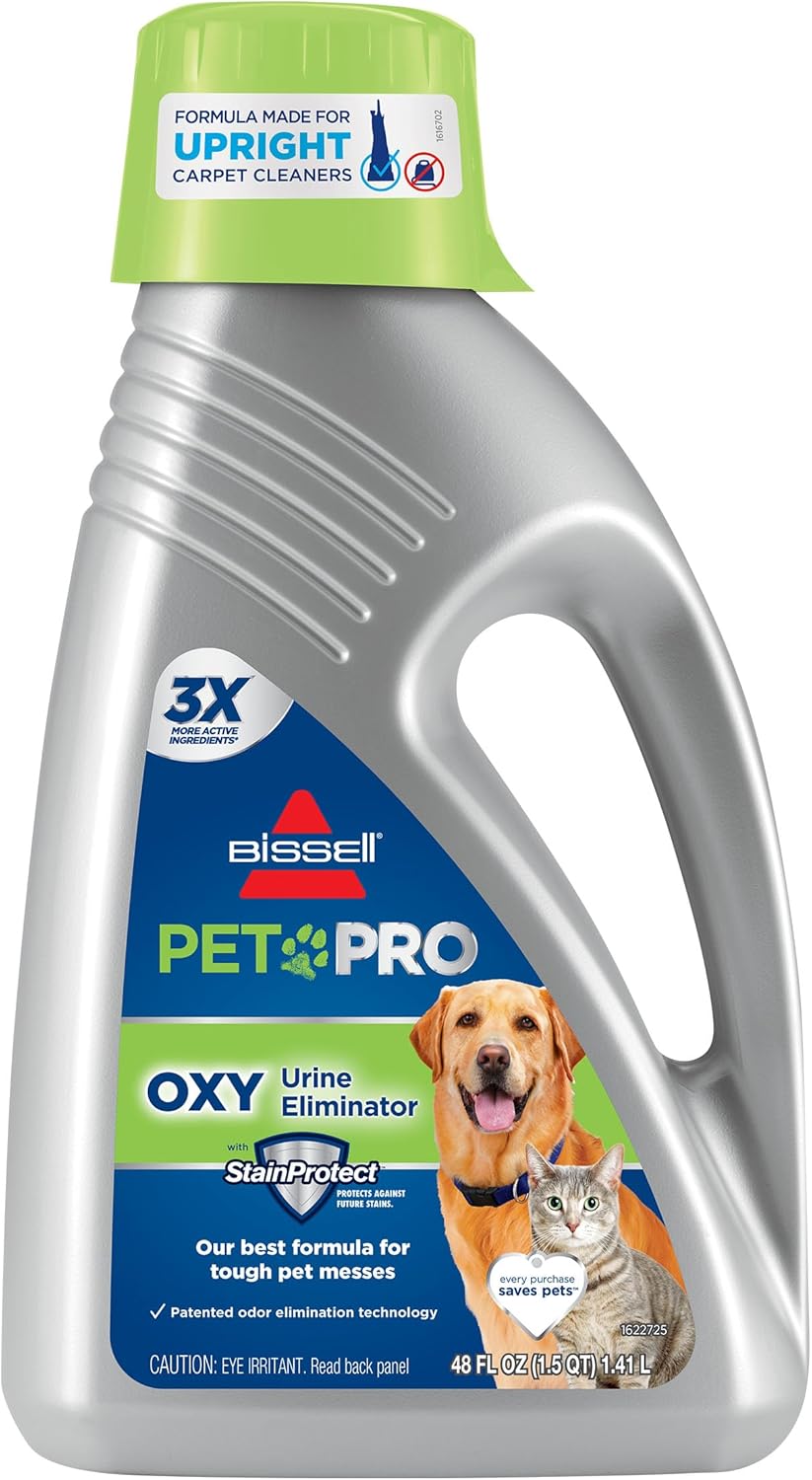
Bissell Pet Pro Oxy Solution 1990 cleans carpet or upholstery after blotting a milk spill, helping address residue beyond the visible spot. Its OXY formula targets embedded stains and odors, making it a useful follow-up when milk has soaked into fibers. Follow label directions, then extract as much moisture as possible and let upholstery, carpet, and removable mats dry fully before replacing mats or closing the car.
Check that your cleaner is an upright deep cleaning machine, the kind this formula is made for.
As an Amazon Associate I earn from qualifying purchases.
Choose a Method by Spill Location
Location determines how far milk may have traveled and which surfaces need attention. Carpet, upholstery, removable mats, and refrigerator interiors each hold residue differently, so the right follow-up goes beyond treating the visible spot.
| Location Or Problem | What To Do First | Follow-Up Cleaning | Likely Odor Traps |
|---|---|---|---|
| Fresh car carpet or upholstery spill | Blot rather than rub. | Use upholstery or carpet cleaner, gently agitate with a soft brush, and extract moisture where possible. | Milk can move under seats, into seams, between cushions, and into padding. |
| Removable floor mat | Take the mat out promptly. | Wash rubber mats with soap and water; shampoo or extraction-clean carpeted mats and dry them completely. | Residue and retained moisture can remain within the mat. |
| Older or deep vehicle spill | Inspect surrounding and hidden surfaces. | Consider enzyme cleaner, extraction, or steam cleaning. | Carpet backing, foam underlay, seat cushions, padding, and cracks may hold milk. |
| Odor after surface cleaning | Check under seats, mats, carpet edges, seams, and cushions again. | Repeat cleaning when hidden residue is found; use baking soda after residue cleaning. | Decomposition can continue beneath a dry-looking surface, especially in warm conditions. |
| Refrigerator with spoiled milk | Discard the milk and clear the refrigerator. | Lifehacks Stack Exchange contributors suggest cleaning drawers, shelves, surfaces, spill areas, nooks, and crevices. | Overlooked interior surfaces may retain the odor. |
Carpet, Mats, and Seat Cushions
Removable mats deserve separate attention because milk and moisture can stay trapped in their fibers or backing. Fabric mats without rubber backing may also be machine-washed after stain remover with warm or hot water. Fixed carpet and upholstery may need deeper cleaning.
Deep spills call for a wider inspection than the original wet patch suggests. Hidden areas can explain lingering odor after surface cleaning. Enzyme cleaners are intended to break down organic material such as milk proteins, while steam cleaning may help with older stains or contamination trapped below the surface. Older spills can require repeated treatment, particularly when milk has reached padding or other hidden layers.
An enzyme cleaner breaks down milk proteins left in carpet, mats, and seat cushions after a spill. It targets organic residue that surface cleaning may leave behind. Check beyond the original wet patch, since milk and moisture can stay trapped in mat fibers, backing, or cushion padding. Give removable mats separate attention. Older spills may need repeated treatment, especially when milk has reached hidden layers.
Look for a label that names organic stains and confirms use on your carpet or upholstery material.
As an Amazon Associate I earn from qualifying purchases.
Refrigerator Surfaces and Lingering Odor
Refrigerator cleanup requires attention to the whole interior rather than only the shelf that held the carton. Community contributors recommend thorough refrigerator cleaning. They also suggest several cleaners. After cleaning, those contributors say baking soda or coffee grounds may help absorb remaining refrigerator odors, while citrus peels can temporarily cover them.
Persistent smell usually points to residue in a hidden layer, overlooked seam, mat, cushion, or refrigerator crevice. Careful reinspection helps target the area that still needs cleaning instead of relying on fragrance alone. Baking soda can absorb odor after residue removal, but it is not a substitute for cleaning spilled milk from carpet, upholstery, or interior surfaces. Professional detailing may be appropriate for severe vehicle spills when extraction, enzyme treatment, and repeat cleaning have not reached the contamination.
When Baking Soda, Enzymes, and Steam Can Help
Baking soda, enzyme cleaners, extraction, ventilation, and steam can all help with sour milk odor, but they serve different purposes. None replaces removing the milk residue that is feeding the smell, especially when a sour milk smell in carpet or a car has reached material below the visible surface. Baking soda is chiefly an odor absorber, while enzyme products are intended to break down organic material such as milk proteins. Steam cleaning and extraction can help address contamination and moisture trapped deeper in fabric, carpeting, cushions, backing, or padding.
Baking Soda and Ventilation Have Limits
After the area has been cleaned, baking soda may absorb some remaining odor from upholstery or carpet. AutoGuru advises applying it beyond the original spill borders, then vacuuming it away and repeating the process if the smell persists. Fragrance products and fresh air can make a vehicle more pleasant temporarily, yet they do not remove hidden residue.
Fortador says sour milk smell can remain in an enclosed space even with ventilation when the spill source has not been addressed. Warm conditions can also make the odor more noticeable again, particularly when decomposition continues beneath a surface that looks dry.
For that reason, baking soda is not the best cleaner for spilled milk when used by itself. Detailing Experts says it works best after the milk residue has already been cleaned rather than as the sole treatment. An air freshener may similarly mask the smell for a time without resolving it. Persistent odor after these measures points toward remaining contamination, retained moisture, or milk that has traveled into a less visible area.
Enzymes, Extraction, and Steam for Deeper Odor
Enzyme cleaners are designed to break down organic substances, including milk proteins, rather than simply cover the odor. Detailing Experts describes them as targeting the source of the smell, and AutoGuru recommends wetting deeply set-in areas well with an enzyme-containing spray. Gentle brushing with a soft-bristled brush may help work the cleaner into fabric where bacteria are feeding on milk residue.
Fortador advises testing enzyme products in a small area first, particularly on leather interiors, to reduce the risk of damage. One Fortador method calls for leaving an enzyme spray on the affected area for a day or two before wiping it away with a cloth or paper towel.
Extraction can help after cleaner has been applied. Steam cleaning may be a further option for older spills, extensive contamination, seat cushions, carpet padding, or deeply embedded residue. Heat and moisture may improve cleaning-product effectiveness and help remove odor-causing contaminants below the surface, according to Detailing Experts.
Fortador says to follow the steam-cleaner manufacturer’s instructions and allow 12 hours for the cleaned area to dry completely. Still, hidden milk in foam underlay or seams may require renewed inspection or professional detailing.
I prefer old diners with unchanged menus because the useful check is never hidden behind a decorative paragraph, unlike my own tendency to overcomplicate a small problem. That instinct carries over to baking soda, enzymes, and steam: first confirm that residue and moisture are gone, then reserve extraction or steam for contamination below the surface. A smell returning with warmth is not subtle evidence; it is the upholstery declining my attempt to move on.
What to Do When Sour Milk Smell in a Car Returns
When a sour milk smell in a car returns after cleaning, treat it as a sign that residue may remain beyond the spot you cleaned. Persistent odor often means milk reached an enclosed or hidden material, where decomposition can continue even though the visible surface looks dry.
Begin by retracing where the spill could have traveled, not just where it first landed. Inspect nearby areas as well. Pull out removable mats and inspect both sides, as well as the floor beneath them.
Check the surrounding carpet for a wider affected area, since liquid can spread past the original wet patch. Examine cracks and joins closely, especially if a bottle tipped over or leaked while the vehicle was moving.
Trace the odor toward carpet backing, padding, seat cushions, or foam underlay if the top surface appears clean. Dry-looking fabric does not rule out a problem below it, because a spill can continue decomposing beneath the visible layer.
Warm conditions in a parked vehicle can make an overlooked sour milk smell more noticeable or seem to return. Reinspect each area after the first round of work, since missing even a small amount of residue can keep the odor going. Focus on any location where moisture could be retained.
Repeated odor after treating the accessible surface can mean the affected area needs to be removed for thorough cleaning. If the smell is strongest at one carpet section or seat location, that can help narrow the search to the backing, cushion, or underlay beneath it.
Avoid assuming an air freshener solved the issue merely because it temporarily changes the cabin smell. Instead, use the return of the odor as a prompt to inspect the same area and nearby hidden surfaces again. Older spills may need further treatment.
Professional detailing is a practical next step for a severe spill or odor that persists after repeated inspection and cleaning. Detailers can use extraction equipment, specialized upholstery cleaners, enzyme treatments, deep-cleaning techniques, and inspection for hidden contamination in carpets, seats, floor mats, and other interior surfaces.
Because milk can penetrate deeply, the path to how to remove sour milk smell is locating every affected layer rather than repeatedly treating only the carpet face. That approach addresses why the odor can last for weeks or months when hidden residue remains below the surface.
Remove Spoiled Milk Odor from a Refrigerator
Refrigerator odor from spoiled milk usually improves only after the milk is discarded and the interior is cleaned, including places that held leaked residue. Removing the carton alone may not solve the problem.
Check Whether the Milk Is Actually Spoiled
First, do not rely on the carton date alone, because properly stored milk may last beyond that date. Pouring a small amount into a glass and smelling it can help separate the milk’s own odor from a smell on the carton spout or inside the refrigerator.
When the off smell follows the milk into the glass, discard it. Appearance matters too: yellowing, a dull or off-white color, curdling, visible curds, thickness, lumpiness, slime, or mold are signs to throw the milk away. Fresh milk should be bright white with a light, clean scent.
Clean the Whole Interior
Afterward, empty the refrigerator so drawers, shelves, and every surface can be reached. Contributors on Lifehacks Stack Exchange say they would clean the entire interior, especially the place where the milk was stored, rather than treating only the most obvious spill area. Those posters suggest cleaning agents for wiping down the interior. Pay close attention to areas around the carton, since residue near a spout can leave an odor that makes otherwise good milk seem spoiled.
Once the interior has been cleaned, odor absorbers may help with any smell that remains. Posters on the cruise-free Lifehacks Stack Exchange discussion suggest boxes of baking soda with tear-away sides and mesh underneath, describing them as less likely to spill if bumped. Coffee grounds placed in bowls around the refrigerator for about two days are another community suggestion. Citrus peels may temporarily overpower a refrigerator smell, although contributors say they need regular replacement as they dry out and lose their fragrance.
Finally, give the cleaned refrigerator time to air out before deciding that the sour milk smell has returned. A vinegar smell may initially seem stronger than the spoiled-milk odor, according to Lifehacks Stack Exchange contributors, but they report that it may dissipate after about one or two days. Because overlooked surfaces can retain odor, revisit drawers, shelves, spill areas, and tight interior spaces if the smell persists after the first cleanup.
Frequently Asked Questions
Why Does Sour Milk Smell Get Worse in a Hot Car?
Warm temperatures inside a parked vehicle can speed up the breakdown of milk residue. Milk proteins, sugars, and fats can feed bacteria, which produce the strong-smelling compounds associated with sour milk. Heat and retained moisture in an enclosed car can also make the odor return after it seemed less noticeable.
What Is the Best Cleaner for Spilled Milk?
Removing the milk residue matters more than using a fragrance that only covers the smell. Start by blotting the spill, then use an upholstery or carpet cleaner according to its instructions and extract moisture with a wet/dry vacuum where possible. Enzyme cleaners are designed to break down organic material such as milk proteins, while older or deep spills may need steam cleaning, repeated treatment, or professional detailing.
Can Baking Soda Remove Sour Milk Smell from Carpet?
Baking soda may absorb some odor, but it works best after the milk residue has been cleaned. It should not be the only treatment when milk has soaked into carpet, upholstery, cushions, backing, or padding. Sprinkle it over the affected area, including beyond the visible spill border, then vacuum it up and repeat if needed.
Why Does a Car Smell Like Sour Milk After the Carpet Looks Dry?
Milk can travel below the visible surface and remain in carpet seams, beneath floor mats, under seats, between cushions, or in padding and foam underlay. Residue can keep decomposing even when the surface feels dry, allowing the odor to persist or return. Reinspect the surrounding area and clean hidden contamination rather than treating only the original wet patch.
How Can You Tell Whether Milk Is Spoiled or the Refrigerator Smells?
Pour the milk into a clean glass and smell it away from the carton and refrigerator. If the off smell follows the milk into the glass, discard it. Yellowing, a dull or off-white color, curds, lumpiness, thickness, slime, or mold are further signs that the milk should be thrown out.
Sour milk odor may fade somewhat, but lingering residue usually keeps producing odor until it is found, cleaned, extracted where possible, and fully dried. Blotting quickly helps limit how deeply milk travels, while hidden areas such as padding, seams, mats, and cushions deserve close attention. Air fresheners and baking soda can help with remaining odor, but cleaning the spill source is the step that addresses the problem.
References
- Spoiled Milk: Risks and Beneficial Uses, Healthline, healthline.com
- My husband forgot about a bottle of milk he bought from the gas station one morning, and it leaked all over the floor board. How can we get this smell out of the car?!, Reddit, reddit.com
- cleaning – How can I remove the smell of spoiled milk from my fridge? – Lifehacks Stack Exchange, Lifehacks Stack Exchange, lifehacks.stackexchange.com
- Sour Milk Odor Removal: Effective Ways to Freshen Up Your Vehicle, Fortador, fortador.com
- How to Remove Sour Milk Smell From Your Car | AutoGuru, AutoGuru, autoguru.com.au
- Spilled Milk in Car | How to Get Rid of Sour Milk Smell – Detailing Experts, Detailing Experts, detailingexperts.ca
- Toss Your Milk Immediately If You Notice These Signs, Allrecipes, allrecipes.com
Sources read in September 2026.